Monday, December 14, 2015

Commercialization of Holidays

Commercialization was a huge part in the late 19th and early 20th centuries. Most holidays were not celebrated till this time period. Christmas, Thanksgiving, Easter, and Valentines Day were some of the holidays that became wildly popular in this era because of commercialization. The commercialization of holiday affect urban life by being able to mass produce items for a particular holiday. Also in big cities with different cultures and immigrants also changed holidays and started to make a way for the modern holidays.

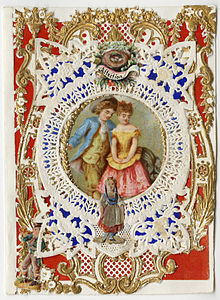
During this era Easter and Valentines Day started to grow in being celebrate. Now easter is a big holiday with the famous easter egg hunt, but back before the late 19th century  Easter was only  celebrate by a few people in the United States. In 1878, President Hayes hosted the first annual Easter egg hunt on the white house lawn. Now this hunt is a big part of the american culture. Also the mass production of clothes also helped with the growing popularity of Easter. Men and a women turned Easter into a holiday to wear their new bright colorful spring clothes. During this time period Valentines Day became popular. Esther Howland of Worcester, Massachusetts started making lacy handmade cards with romantic messages on them, they sold for fifty dollars. The industrialization and the mass production of cards made this holiday grow. The modern Valentines Day includes buying cards and chocolates, and Esther Howland was the start of making the classic Valentines Day become a holiday.
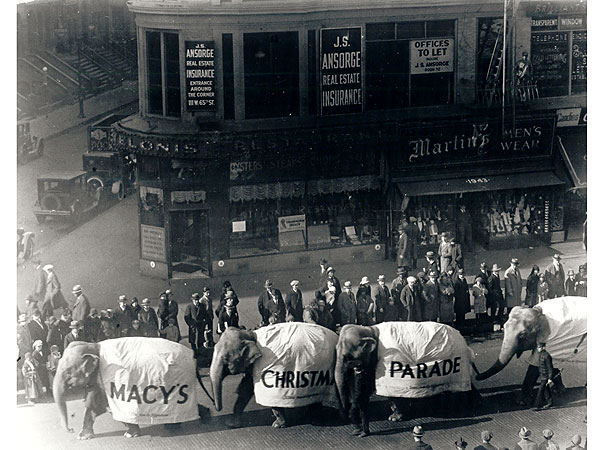
Thanksgiving is one of the most popular holiday right behind Christmas. Thanksgiving is the American version of the harvest festival. England was the start about having a huge lavish dinner, some of the immigrants brought this part of their culture with them, and it got adopted into the United States culture. This holiday originated in Philadelphia campaigned by Sarah Josepha Hale. Her goal was for this holiday was that a day for giving thanks might unify the country more. This holiday is meant for humanity and generosity. Department stores had affect on this holiday know as the Macy's Thanksgiving day Parade. Macy's department store help with some of the commercialization of this holiday in a sense of help getting the american people ready for Christmas on Black Friday, the day right after Thanksgiving. By 1900, most holidays were invented for a consumerist purpose with a little of family meaning mixed in with all the buying. 
Santa Claus, one of the biggest symbols for Christmas was created by Thomas Nast. The popularity of Santa grew as when the importance of gift giving grew. Industrialization grew as the need for more gifts increase, the factories started to mass produce toys and getting the toys became easier to access. Thomas Nast created the popular image of Santa Claus, he based him off the german tradition of St. Nicholas, "the father of Christmas". Thomas Nast first drew Santa Claus in 1862 in the Harper's Weekly, Santa came across to the children as a kind figure that represented Christmas. Being able to mass produce his photo made him more a recognizable figure for Christmas. 

Christmas the most popular holiday was most impacted by commercialization. Immigration helped shape all the Christmas traditions we know today. The English brought over the tradition of Christmas caroling, and gift exchanging. Episcopalians and Moravians brought the religious services and prayer to Christmas. One of the most iconic tradition of Christmas is the tree, the germans brought the idea of decorating the home and tree with ornaments and lights. Most of the iconic Christmas tradition and symbols were came from german traditions.  In 1900, one in five americans now had a Christmas tree. On the side of the streets, vendors were selling ornaments for the tree. Newspapers and magazines in this era changed the standards for the ornaments. After 1880, The commercialized gift exchanges were developed in big cities, led by New York City. The gift giving and receiving also produced a social change, by the day becoming more materialist than religious. 
Urban life changed dramatically during this time by the commercialization of different holidays. "Acquiring goods was becoming part of individuals identity, their measurement of what a satisfactory life involved." This quote is from the book Consumerism in the World by Peter N. Sterns. During this time period gift giving and receive especially around Christmas changed the atmosphere of urban life. It changed it by mass producing gift and cloths made it easier to access. The Commercialization of holidays shaped americas holidays producing new ways to celebrate holidays not just religiously. 

Sources:
  • I learned from this site about the founder of Thanksgiving and how the holiday grew.

  • Thomas Nast came up with the image of Santa Claus.

  • Learned about Esther Howland and her Valentines Day cards and how it grew that everyone either gets or gives a card on Valentines Day now.

  • Commercialization of Christmas and how Thomas Nast further develop Santa Claus from St. Nicholas.

  • I learned from this site were all the traditions from Christmas came from and became apart of the American Christmas. 

  • I learned from this book how people are formed by commercialism of products and going into more depth about the commercialization of holidays.


Tuesday, November 24, 2015

Migration

I learned today about migration that most people was going to bigger regions or were it was more populated. I saw that a lot of people were going either to Europe, or North America. I think it is very interesting that the majority of people were moving to the more populated area or "popular".  I also learned that in the PBS Race quiz that what people stereotype what African, Asian, or Indian people look like may be very different then what they actually look  like.
migration

Monday, November 23, 2015

Philanthropy

Philanthropy is wanting to help the human kind. I really like Andrew Carnegie and what he was  doing by really wanting to help areas that need better education. I think its very helpful to towns and country to have libraries given to them to help broaden their minds. I would like to also help with safety, more specifically , in Africa and creating a safe environment for kids to learn and grow in.

Tuesday, November 10, 2015

Thinking About Success

Ranking of the Four Words:
1. Opportunity
2. Hard Work
3. Skill
4. Luck

I ranked this words in this order because I believe that all are important but opportunity should be first. Opportunity is first because I believe if you have the opportunity to do something great you should take it, but you can also lose it because you have to work hard at it. That is why hard work is next because I believe after you have the opportunity you have to work hard at to keep it and get skilled at it. That is why I ranked Skill third. I ranked it third because after you work hard you become skilled at it and you start to have natural skill in your choice of job or in your opportunity. After all of those I believe Luck is last because after you have become skilled at something you need a little bit of luck to "open doors" for new opportunities in your work place.

The image for Opportunity, Hard Work, Skill and Luck

Monday, November 2, 2015

Exploring Business and Clothing Industry

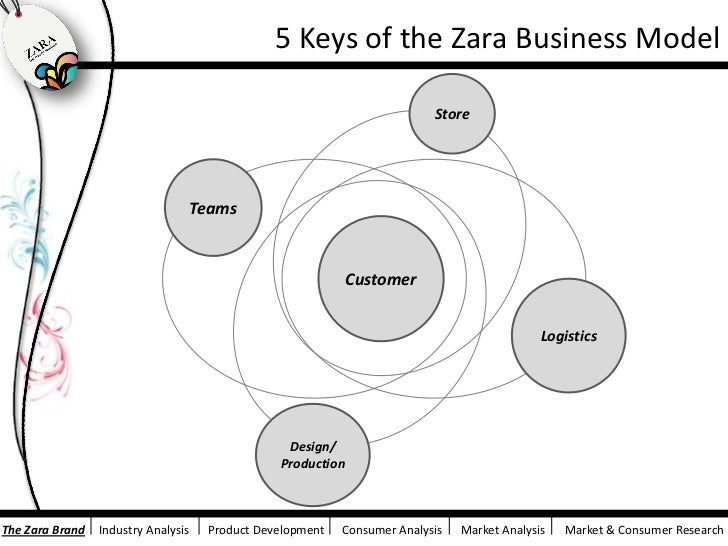
I learned today that there is a ton of work that goes behind getting new clothes in to a big name brand store, and we don't even think about it. In the fashion world there is so much more than the clothes, its about making, producing and the business side of making the clothes. I never really thought about that the clothes I buy have probably been all around the world. But its crazy to think that my clothes were made in a different country then shipped here to america. The couple of questions I have is how do the business people know what country would be best for buying their clothes? This topic is very interesting to me, it makes me more interested in it because you don't really think about it.

Monday, October 26, 2015

History Textbook shaping the way of seeing Native Americans

This online textbook put the Native Americans in a bad light. From looking at different text through out this history book the Native American came across very hostile to the white settlers, but in the textbook they were sure to say "Again the savages were pursued without mercy." (pg.32). This quote was found in different parts of the textbook but in different wording. When looking up the word "savages" many text around the word was about how the indians killed some white people. This would shape my view point of Native Americans by thinking they were all very hostile and vengeful, even though I'm sure there are some peaceful tribes.

Thursday, October 15, 2015

Indians in the Newspaper

I found in one of the newspaper articles, Los Angles Daily Gerald, was talking about how Major Kress found hostile indians moving large number of horse across the river, and some of the horse returned to the Oregon side of the river. Then Major Kress destroyed the indians camp. When writing about what Major Kress did the wording made him sound like a knight in shining armor. By saying "hostile" indians made the indians sound dangerous, but throughout that story it never said what the indians did. Did they attack? At the end of the article they writers made sure to say "Scouts are out" to give the read a sense of security that they are safe.

Dear Diary,
It's July 9, 1878. I was reading the Los Angles Daily Gerald. Oh my goodness, article after article talking about the hostile Indians. One was that the Indians attacked Captain Sperry and his company while they were eating lunch! How awful is that, you know just sitting there eating your lunch and BAM! You are under attack!!!! They fought them twice in one day. Once when the Indians surprised attacked them and again while they were heading to Pendleton. How awful!! Theses Indians are out of control, but good thing is in another article they said they had some scouts out watching the indians. So that's good we are safe from the hostile indians. Beside from the Indians I saw a advertisement for a new shoe and boot place!! Yay! It's on main street, I am actually going to head down there now and scout out there shoes, and to see if they have anything cute!

Deep Thinking

"Our use of social media for news is selective and intentional so that we may tend to remain interested only in things we are already interested in. On the other hand professional news outlets, like newspapers, expose readers to information on a broad range of topics, this helps me to see what other people are interested or things are important."

Newspaper homework

3. Newspaper is a type of paper that is published daily, weekly, or monthly. It contains news, advertisement, and features.

4. The earliest newspaper was dated to the 17th century in Europe.

5.  Some of the oldest newspapers in the United States are The Boston Chronicle, The Augusta Chronicle, Daily Hampshire Gazette, Pittsburg Post-Gazette, and The Recorder.

6. The leading stories on the New York Times are Afghan ISIS Branch Makes Inroads in Fight Against Taliban,  Jet Inquiry Blames Russian-Made Missile, Election 2016: Democratic Debate Will Reveal Divides, if Not Gaps, and Four Attacks by Palestinians Kill at Least Three Israelis.

7. A newspaper of record is a big newspaper company that has great resources in finding information and is consider a professional newspaper. The New York Times was the nation's newspaper of record in 1913. It was the first newspaper to publish an index. Other newspaper such as the Los Angles Times, and The Washington Post can be considered newspapers of record.

8. A newspaper and social media is a way to learn about recent news and stay informed with current events. A newspaper is different from social media by the writers and editors do their research to make sure their facts are correct. While, in social media you are getting current news some of the news may be false and inaccurate. Social media is a way to see what your friends are doing and whats happing in the world, but this does not mean all the news you read or hear is not entirely or completely accurate. If you do gets news from social media it would be best to double check your sources to make sure you are not spreading false news. A newspaper is a much better a reliable way to get up to date or current events with reliable sources. The actual paper newspaper maybe a day or so behind on the recent events, but now there is newspaper published online daily. 7

9. New York Tribune

Friday, October 2, 2015

US History First quarter reflections

In this first quarter of history I’ve learned a lot of important tools and about the American Civil War. I think learning how to paraphrase and use quotation appropriately will help me in this class and many other classes. Going “deeper” into the Civil War opened my eyes the true but horrifying facts that acutely happened. When I was younger, the teachers only showed us half the pictures of what slavery was like, but learning the hard but true facts really opened my eyes. The movies we watch in class about slavery and the Civil War are great movies and shows the truth about slavery. Also reading about the far west was really interesting. Learning about how cowboys were acutely not the heroes and wild guys how the movies and books portrayed them to be.

I do find history extremely interesting to learn about. History also taught me this first quarter how empathy and sympathy are actually very helpful critically thinking parts and how they really do apply to history. By understanding empathy and sympathy on some level it helps you understand history better and understanding of what people, in whatever time period the people are in, are going through. I hope to learn next in history is more about Americas involvement in the World Wars. The World Wars really interest me and I think it will be cool to learn more about America’s involvement more in depth.

Wednesday, September 30, 2015

Fast Facts Inquiry Research: Native American Food

Native American's had a different diet according to where they were and what environment was around them. The main foods they mostly ate that was most commonly found was deer meat, corn, greens, berries, squash and wild rice.

Corn was a huge part in Native American culture they used different types of corn such as harinilla and/ or blue corn meal. Harinilla could be made into flour and other starches, and out of the flour they could make tortillas.The meats they also ate was a variety also. The meats include deer, buffalo, prairie dog, pork, mutton, rabbits, and lamb.

Eastern Native American most popular food was called the Three sisters. The Three sisters included corn, beans, and squash. These were domestic crops they planted. The other domestic crops they had were sunflower, maygrass, little barley, and sumpweed/ marsh elder. Southeastern Native Americans foods was similar to the Eastern Native Americans but different. They formed the starting block that "real" southern food is based on. The corn helped make cornbread, grits, and also liquors and whiskey which were important trading items. The native americans also introduced to non-Native american southerners to squash, pumpkin, different types of beans, tomatoes, and many types of peppers. Northwestern Native American tribes food was more different than from the Southeastern and Eastern tribes. Their food consist of salmon, and other types of fish, berries, mushrooms, deer, duck, and rabbit.

All the Native Americans from different areas had unique but the same food supple. They all had some type of corn, deer meat, and berries. Each area they were in had different types of food and climates, so the Native American had to adapt and farm their land.


Thursday, September 17, 2015

Film Essay

Victoria Spera
Film Essay

          Movies are a great way to explain and understand history. In America no one wants to create a film about slavery because nobody in America really wants to talk about that, but in recent year there have been producing more Civil War movies that have been sharing a historical light on the truth of slavery. The movie Glory and 12 Years a Slave are wonderful movies that are mostly historically accurate that represent the Civil War and slavery.
            Glory is a great movie. The main characters in this movie were real, such as Shaw. Other character, some people in the regiment, are fictional characters. The movie Glory is a wonderful movie to show in classroom environment. In Reelviews they said this movie went to a big effort to get the details correct. They wanted it to be as historically accurate as possible, the director got civil war re-enactors to preform the battles, with the actors from the movie. Reelviews highly praised this movie to make a great movie to discuss in the classroom because the historical setting is mostly accurate. In the Ashbrook review on Glory pointed out some of the inaccuracies. Ashbrook said that when attacking Fort Wagener the filmmakers portrayed that the 54th regiment was fighting north to south, when in fact they fought south to north.  Even though there is a couple of inaccuracy in the movie there is still accurate film and it really gives the viewers the insight to what life was like back then for the first black regiment. I think this would be a great movie to show the class because it show the start of a “new” era because the 54th regiment was the first black regiment and after them more black regiment started to pop up.
            Another movie that got praise from many critics and won many awards is 12 Years a Slave. This movie was based on a book about a man named Soleman that got kidnapped and forced into slavery. The movie is very brutal and shows us the actuality of slavery. American Historical Association said it had more of a “hellish view” on slavery than what happened in the book. Many other critics, reported to BBC Culture, they liked the movie it’s was very historically accurate. The critics also say that 12 Years a Slave show the reality of slavery to America. BBC article says “… British filmmaker Steve McQueen is about to bring Americans what many view as the most realistic and bold portrayal of slavery ever seen…” I think its good to see the “realistic” side of slavery it opens up the American peoples’ eyes to what actually happened in are past. Even though what happened was awful. I think its important that Americans are well aware on what really happened.    
            Many people may have a problem with what both movies are rated. They are both rated “R”. Sunsentinel tells us that some people don’t like their kids seeing an “R” rated movie, but in my opinion it has to be rate “R” because it does show the reality and violence of slavery.

             I think these to movies would be a great way help teach about the Civil War and slavery because it might be violent and brutal both movies are mostly a historically accurate representation of either life as a slave or how black were treated slave or not. Both movies were highly praised and many critics that both movies would be a great way to help discussion in the classroom or help teach and explain the times back the.


                                                          12 Years a Slave

Sources:

Wednesday, September 9, 2015

Paraphrasing Practice

This quote is from Reelviews about Glory 1989 "The historical backdrop against which Glory transpires is mostly historically accurate. In fact, a great deal of effort went into getting the details correct. The main events shown in the film happened much as they are depicted, some of the key characters (Shaw, Frederick Douglas, etc.) existed, and the outcome was as Zwick presents it." 
My paraphrase:
In the movie Glory the director, Zwick, and the film makers did a amazing job about making mostly historically accurate. The main characters such as Shaw, and Frederick Douglas actually existed in the time this movie was to be set in. The main events in the movie were represented like how they happened in the Civil War. The film maker, Zwick, put in a lot of effort to getting the historical details correct.


The movie Glory is a rated "R" film, but is mostly historical accurate and represented wonderfully. A film critic said "the historical importance of the film made it a natural fit to be shown in school history classes."  

I've learned today that in this process of paraphrasing is that you have to write it kinda like you're telling a little kid and thats hard because the person that has written the quote used the best words that do a good job of getting the point across. When quoting you just have to make sure you introduce it well, you can't just plop it in a paragraph.

This is what Mrs. Lawson wanted me to learn today:
  • Only use a quote when it adds power and style to my writing
  • always make it clear, from context, that I understand the full meaning of the quote
  • Whether i quote or paraphrase, always be transparent about the source and how i'm using it
  • If I use another author's exact words or phrase, to any extent, I have to use quotation makes and give credit
  • If I use another's presentation of facts or ideas, but put their ideas in my own words, I better have a good reason for doing that, and I MUST give credit
  • Hyperlinking is so easy, there is no excuse for not being transparent about my sources
I do understand

Wednesday, September 2, 2015

Empathy and Sympathy

Empathy is different from sympathy. Empathy is understanding of what another person is going through, good or bad. Sympathy is where you have been in the other person's shoes and know what they are going though. In the packet we read in class, a group of people did a study about having "blind obedience to authority... to the point of overriding their inner morals" about hurting innocent people. Like when the Nazi's were hurting the Jews. Even though I don't agree with what the Nazi's were doing, I do understand how they could hurt "helpless" people because they were "blinded" by their authority and trusted them. Being able to empathize helps to learn and study history because you can understand they did this because it was different times than today.
empathy