Commercialization was a huge part in the late 19th and early 20th centuries. Most holidays were not celebrated till this time period. Christmas, Thanksgiving, Easter, and Valentines Day were some of the holidays that became wildly popular in this era because of commercialization. The commercialization of holiday affect urban life by being able to mass produce items for a particular holiday. Also in big cities with different cultures and immigrants also changed holidays and started to make a way for the modern holidays.
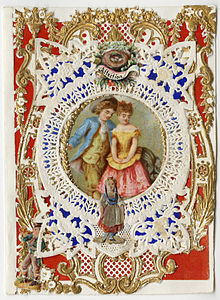
During this era Easter and Valentines Day started to grow in being celebrate. Now easter is a big holiday with the famous easter egg hunt, but back before the late 19th century Easter was only celebrate by a few people in the United States. In 1878, President Hayes hosted the first annual Easter egg hunt on the white house lawn. Now this hunt is a big part of the american culture. Also the mass production of clothes also helped with the growing popularity of Easter. Men and a women turned Easter into a holiday to wear their new bright colorful spring clothes. During this time period Valentines Day became popular. Esther Howland of Worcester, Massachusetts started making lacy handmade cards with romantic messages on them, they sold for fifty dollars. The industrialization and the mass production of cards made this holiday grow. The modern Valentines Day includes buying cards and chocolates, and Esther Howland was the start of making the classic Valentines Day become a holiday.

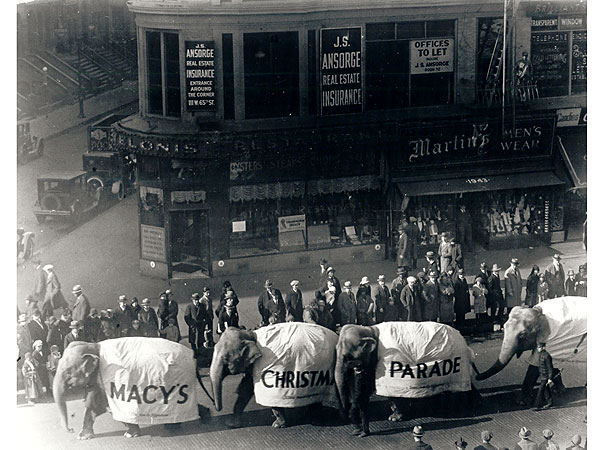
Thanksgiving is one of the most popular holiday right behind Christmas. Thanksgiving is the American version of the harvest festival. England was the start about having a huge lavish dinner, some of the immigrants brought this part of their culture with them, and it got adopted into the United States culture. This holiday originated in Philadelphia campaigned by Sarah Josepha Hale. Her goal was for this holiday was that a day for giving thanks might unify the country more. This holiday is meant for humanity and generosity. Department stores had affect on this holiday know as the Macy's Thanksgiving day Parade. Macy's department store help with some of the commercialization of this holiday in a sense of help getting the american people ready for Christmas on Black Friday, the day right after Thanksgiving. By 1900, most holidays were invented for a consumerist purpose with a little of family meaning mixed in with all the buying.

Santa Claus, one of the biggest symbols for Christmas was created by Thomas Nast. The popularity of Santa grew as when the importance of gift giving grew. Industrialization grew as the need for more gifts increase, the factories started to mass produce toys and getting the toys became easier to access. Thomas Nast created the popular image of Santa Claus, he based him off the german tradition of St. Nicholas, "the father of Christmas". Thomas Nast first drew Santa Claus in 1862 in the Harper's Weekly, Santa came across to the children as a kind figure that represented Christmas. Being able to mass produce his photo made him more a recognizable figure for Christmas.

Christmas the most popular holiday was most impacted by commercialization. Immigration helped shape all the Christmas traditions we know today. The English brought over the tradition of Christmas caroling, and gift exchanging. Episcopalians and Moravians brought the religious services and prayer to Christmas. One of the most iconic tradition of Christmas is the tree, the germans brought the idea of decorating the home and tree with ornaments and lights. Most of the iconic Christmas tradition and symbols were came from german traditions. In 1900, one in five americans now had a Christmas tree. On the side of the streets, vendors were selling ornaments for the tree. Newspapers and magazines in this era changed the standards for the ornaments. After 1880, The commercialized gift exchanges were developed in big cities, led by New York City. The gift giving and receiving also produced a social change, by the day becoming more materialist than religious.

Urban life changed dramatically during this time by the commercialization of different holidays. "Acquiring goods was becoming part of individuals identity, their measurement of what a satisfactory life involved." This quote is from the book Consumerism in the World by Peter N. Sterns. During this time period gift giving and receive especially around Christmas changed the atmosphere of urban life. It changed it by mass producing gift and cloths made it easier to access. The Commercialization of holidays shaped americas holidays producing new ways to celebrate holidays not just religiously.
Sources:
- I learned from this site about the founder of Thanksgiving and how the holiday grew.
- Thomas Nast came up with the image of Santa Claus.
- Learned about Esther Howland and her Valentines Day cards and how it grew that everyone either gets or gives a card on Valentines Day now.
- Commercialization of Christmas and how Thomas Nast further develop Santa Claus from St. Nicholas.
- I learned from this site were all the traditions from Christmas came from and became apart of the American Christmas.
- I learned from this book how people are formed by commercialism of products and going into more depth about the commercialization of holidays.